๐Ÿ”’ BiomedRx Inside โ€” join our private members network & connect with the BiomedRx family Enter →
All Modalities ยท All OEMs

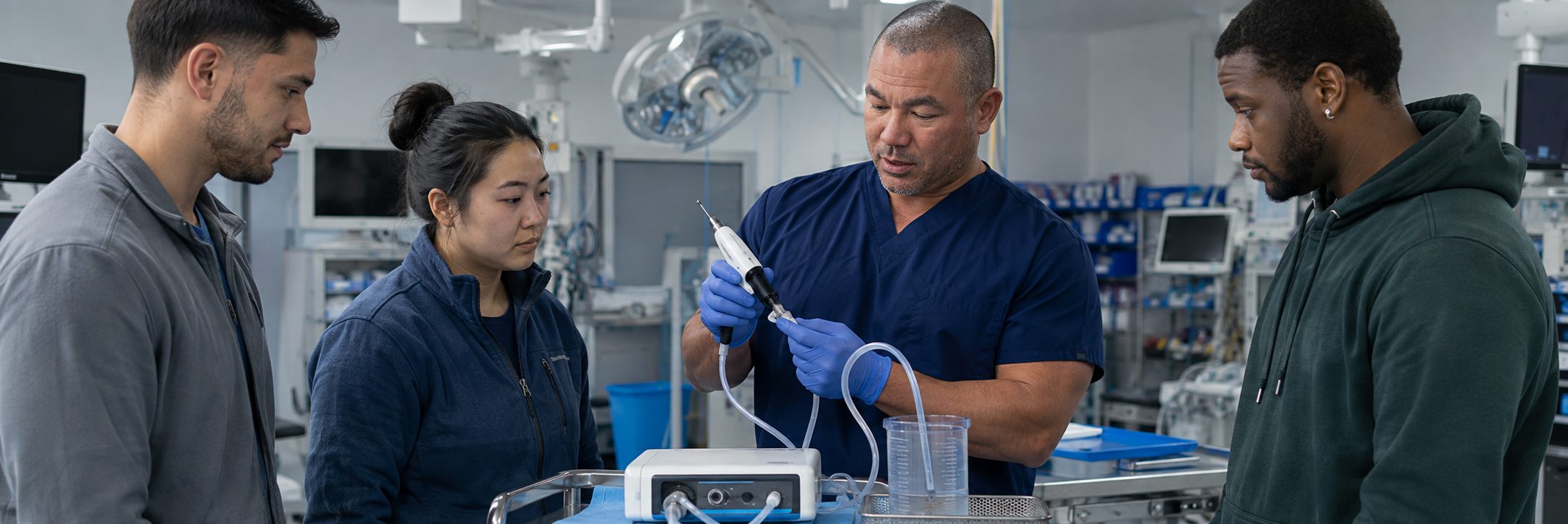
An outsourced field service solution for medical equipment manufacturers.

Installation, repair, calibration, preventive maintenance, and electrical safety inspection performed by experienced biomedical equipment technicians and field service engineers. Ideal for emerging manufacturers, foreign OEMs, and companies navigating the FDA 510(k) process โ€” all backed by the BiomedRx International Service Network.

500+
Facilities Served
All
Modalities
24/7
Response
99.7%
Uptime
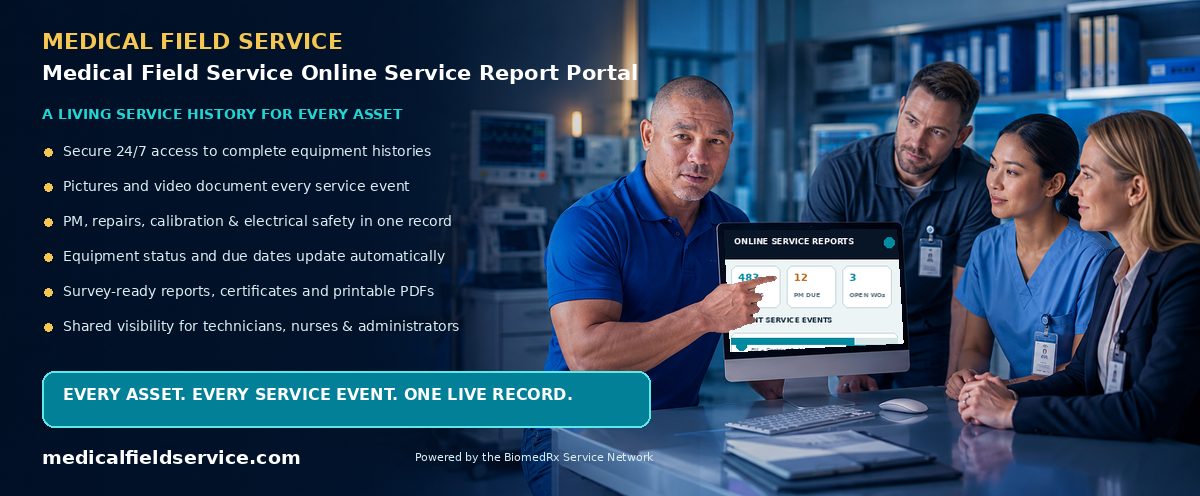
Medical Field Service Online Service Report Portal โ€” every service event, live in your secure online report portal; view a sample report
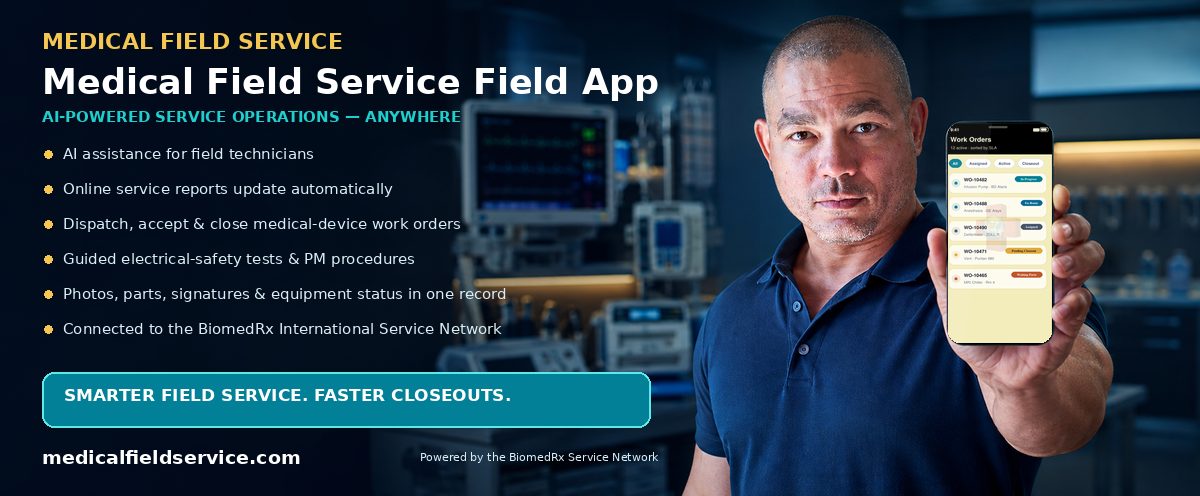
Medical Field Service App โ€” AI-powered field-service mobile app; automatic online service reports, work-order dispatch, and closeout

A Complete Outsourced Service Infrastructure

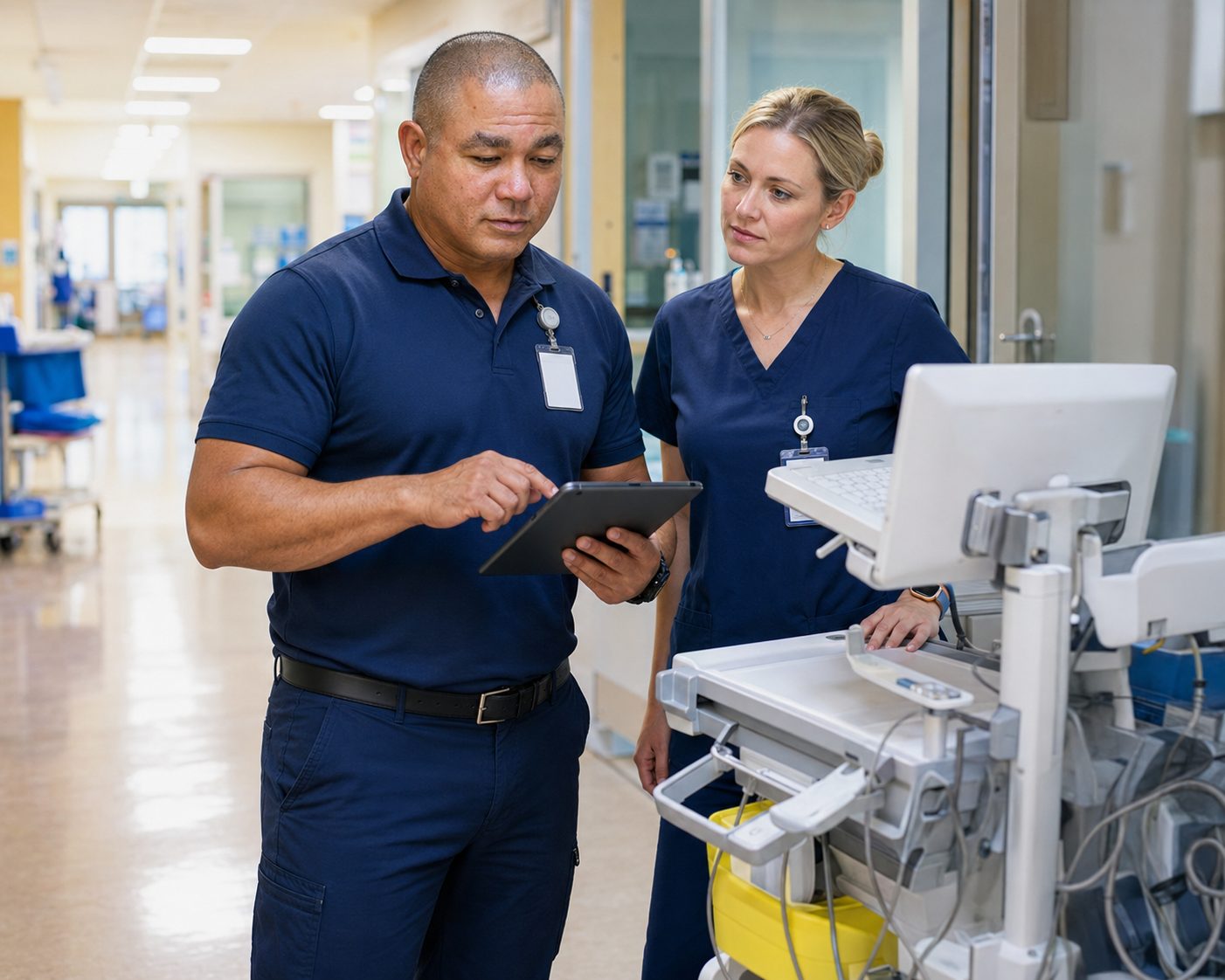
Staffed by biomedical equipment technicians and field service engineers who have worked for manufacturers and healthcare providers alike โ€” helping OEMs protect warranty and service-contract relationships while giving end users the highest level of support.

Field Service for OEMs

Authorized service partnerships with major equipment manufacturers, covering GE, Siemens, Philips, and others across imaging, anesthesia, and monitoring platforms.

Acceptance Testing

Pre-occupancy validation for new equipment installations, facility renovations, and system upgrades ensuring safe operation before clinical use.

Repair & Calibration

Equipment repair, performance calibration, accuracy verification, and restoration to original specifications for all modalities and platforms.

IPS Recertification

Annual NFPA 99 isolated power system testing, line isolation monitor calibration, and operating room electrical safety verification nationwide.

Compliance Documentation

Survey-ready maintenance records, equipment certifications, regulatory filings, and documentation organized for Joint Commission and CMS audits.

24-Hour Dispatch

Emergency response service for equipment failures, urgent troubleshooting, and expedited repairs to minimize clinical downtime and revenue loss.

Equipment We Service

Our principals maintain all modalities of diagnostic and therapeutic medical equipment โ€” from biomedical and laboratory instruments to imaging systems, dialysis machines, and hospital isolated power systems.

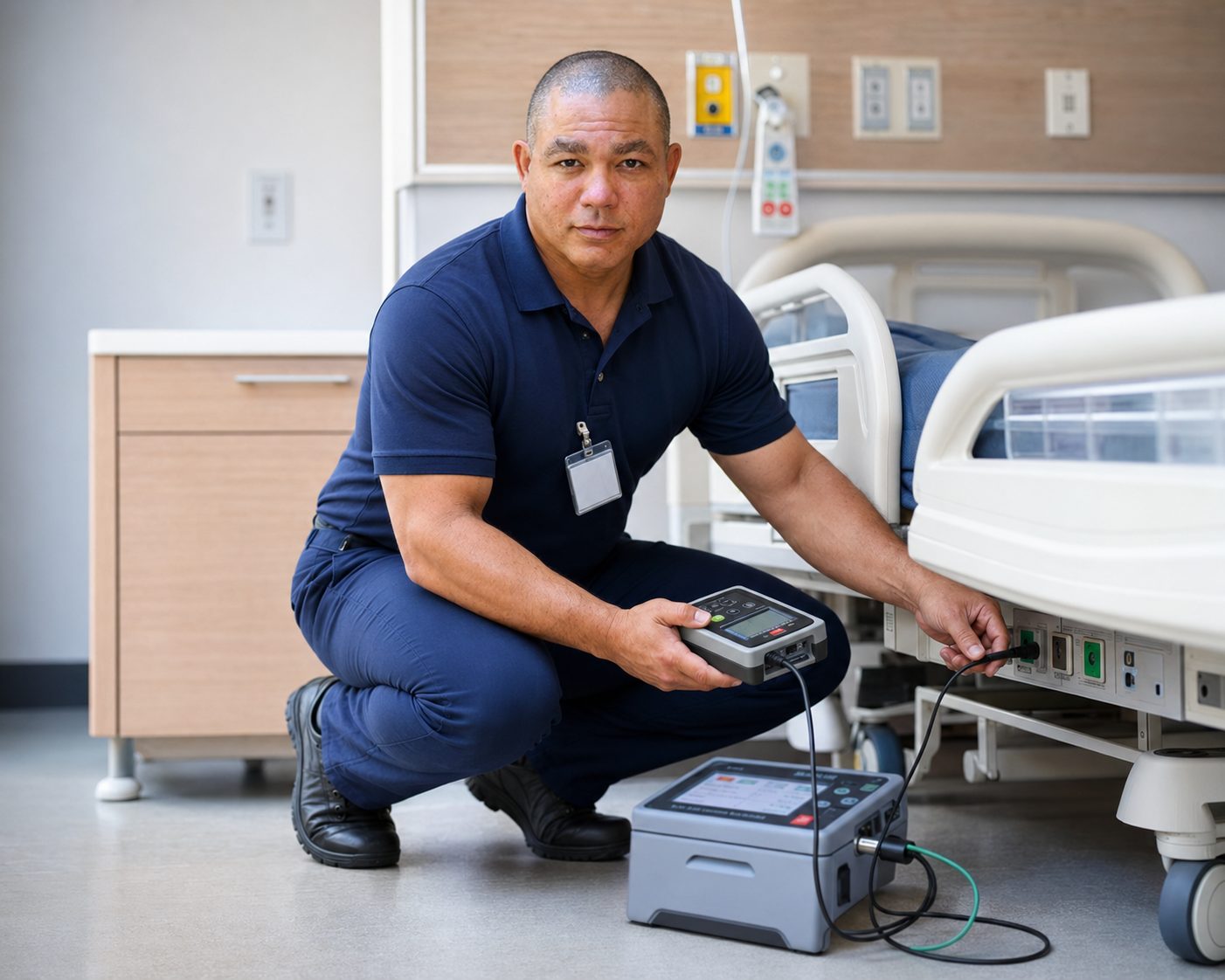
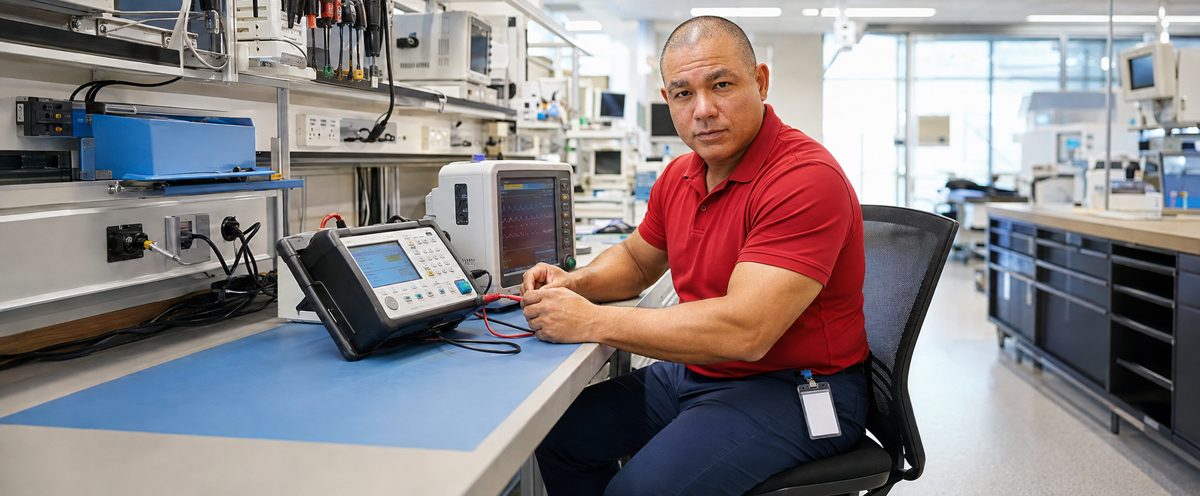
Technician performing biomedical equipment field service
Biomedical

Biomedical Equipment Service

Outsourced field service covers the full lifecycle of a biomedical device on-site: installation and commissioning, corrective repair, calibration, and scheduled preventive maintenance. For anesthesia machines and patient monitors in particular, this work directly touches patient safety, since these devices support or watch over patients during critical care.

Many manufacturers and independent service organizations perform this work as a third party to the OEM. The FDA has examined third-party servicing of medical devices and, in reporting to Congress, found no broad evidence that it presents a public-health concern while still emphasizing quality, calibration, and documentation. Following manufacturer specifications and keeping thorough service records is what keeps outsourced maintenance defensible.

The regulatory frame around device quality shifted underfoot this year. On 2 February 2026 the FDA's Quality Management System Regulation took effect, amending 21 CFR Part 820 to incorporate ISO 13485:2016 by reference and retiring the old Quality System Regulation; the agency simultaneously moved to the updated inspection program described in Compliance Program 7382.850. The rule governs finished-device manufacturers rather than the hospital that owns the device — but it resets the vocabulary of the whole supply chain, and a service organisation that already speaks in risk, traceability and documented process is a much easier partner to reconcile with.

For the facility, the practical question is narrower and more useful: can you produce, on demand, the history of any device on your inventory? Who touched it, on what date, against which procedure, with what test equipment, and what the result was. Departments that can answer that in under a minute have quiet surveys. Departments that cannot spend the survey reconstructing it. Every visit we make is designed around producing that answer, because a repair nobody can evidence is, in an inspector's eyes, a repair that did not happen.

Sources: FDA Medical Device Servicing; AAMI; FDA QMSR

Medical imaging equipment field service
Imaging

Medical Imaging Systems

Imaging systems span radiographic X-ray, CT, ultrasound, and nuclear-medicine modalities, each with its own service demands. Field service on these systems targets uptime โ€” a down scanner delays diagnoses and pushes patients to other facilities โ€” while also preserving image quality and, for radiation-producing systems, safe operation.

Radiation-emitting imaging equipment is regulated by the FDA and by state radiation-control programs, and image-quality and dose performance are commonly verified with the involvement of a qualified medical physicist. Coordinated field service helps a facility keep imaging both clinically reliable and compliant with those requirements, which vary by modality and state.

Imaging carries a second, less obvious compliance layer: accreditation. Facilities accredited through the American College of Radiology submit clinical images and phantom studies for peer review and undergo an annual equipment performance evaluation by a qualified medical physicist, covering parameters such as spatial and low-contrast resolution, noise, uniformity and — for CT — dose descriptors like CTDIvol and DLP. Field service and physics testing are complementary, not interchangeable: the physicist measures whether the machine performs; the service engineer is who makes it perform again when it does not.

Uptime economics make the case on their own. An idle CT does not simply cost the studies it would have produced that afternoon; it reschedules patients, pushes emergency-department throughput, delays surgical decisions, and sends referrals to the imaging centre across town that answered the phone. Planned maintenance windows, stocked wear parts, tube-condition trending and a technician who has seen your particular generation of hardware before are cheaper than any of that, and dramatically cheaper than an unplanned three-day outage.

Sources: FDA Radiation-Emitting Products; AAMI; American College of Radiology

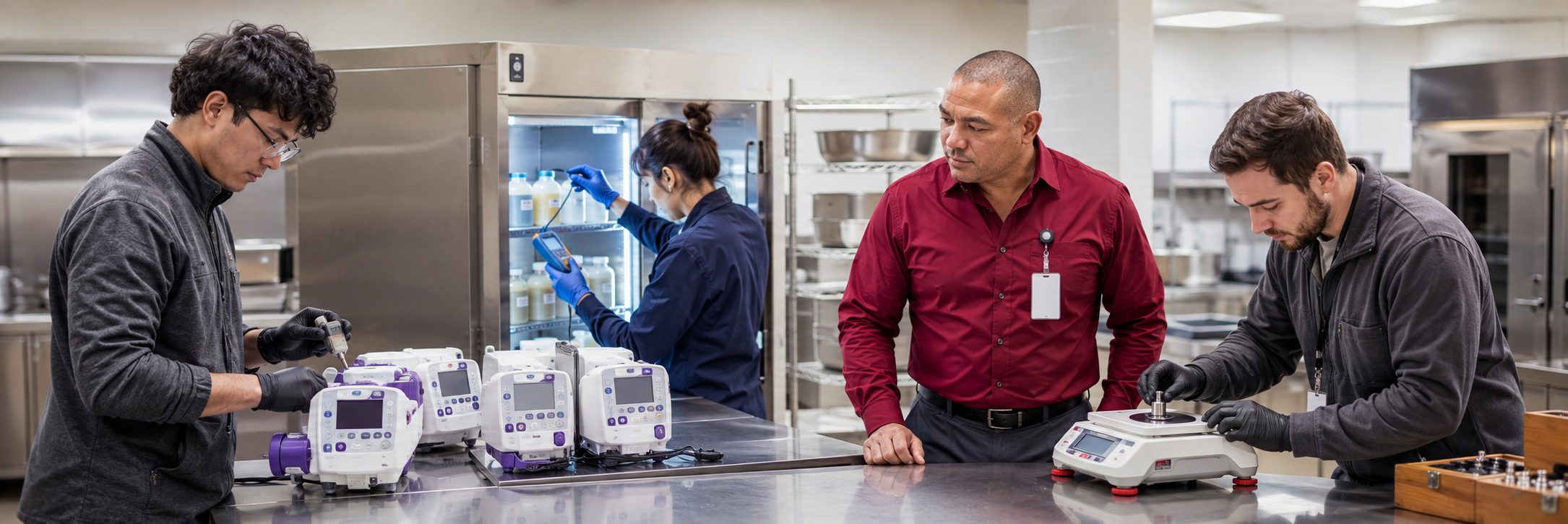
Laboratory equipment field service and calibration
Laboratory

Medical Laboratory Equipment

Clinical laboratory instrumentation โ€” chemistry and immunoassay analyzers, hematology systems, centrifuges, and cold storage โ€” must produce accurate, reproducible results because clinicians act on those numbers directly. Preventive maintenance, calibration, and accuracy verification are the routine tasks that keep an analyzer trustworthy between runs.

Laboratory testing operates under CLIA, administered by CMS, and many labs hold accreditation from organizations like the College of American Pathologists whose checklists cover instrument maintenance and function checks. Field service that documents each intervention supports both CLIA compliance and accreditation inspections; the specific cadence depends on the instrument and the test's complexity.

The CLIA framework is graded, and the grading is where most surprises live. A site that adds a single moderate-complexity assay to an otherwise waived menu inherits an entirely different set of quality-control, calibration-verification and personnel expectations overnight, and the instrument maintenance record is one of the first things an assessor reads. Laboratories accredited by the College of American Pathologists face checklist items that ask, item by item, for evidence of function verification and scheduled maintenance on each analyser.

Analyser downtime has an unusually sharp edge: unlike a spare monitor, you cannot roll a second chemistry system in from the next department. That makes the boring work — probe alignment, pump tubing, lamp hours, reagent cooling, centrifuge speed verification, calibrated thermometry on every cold-storage unit — the highest-yield work in the building. We schedule it around your run volumes rather than ours, so the maintenance window falls when the bench is quiet instead of when the specimens are stacking up.

Sources: CMS CLIA; College of American Pathologists; College of American Pathologists

Dialysis equipment field service
Dialysis

Dialysis Equipment

Hemodialysis relies on both the dialysis machines and the water treatment system that supplies them. Because dialysate is made from treated water and contacts the patient's bloodstream across the dialyzer membrane, the water system is a safety-critical part of the setup and must be maintained, disinfected, and tested alongside the machines.

Dialysis facilities operate under CMS conditions for coverage, and the field widely references AAMI water-quality standards for hemodialysis. Scheduled maintenance, calibration, water verification, and prompt repair keep a unit both safe and compliant. Exact water-testing and monitoring requirements should be confirmed against current CMS regulations and the relevant AAMI standards.

Two failure modes dominate dialysis water systems, and both are gradual. The first is chemical: carbon beds and softeners exhaust on a duty cycle nobody tracks until a chloramine test comes back wrong. The second is microbial: biofilm establishes itself in low-flow legs and dead spaces of the distribution loop, then seeds the system faster than a single disinfection can clear it. The AAMI standards the field references for hemodialysis water treat both as design-and-maintenance problems rather than testing problems — which is another way of saying the sampling schedule is the last line of defence, not the first.

On the machine side, conductivity, temperature and blood-leak alarms are the safety net, and a net nobody has tested is decoration. Verifying alarms against known inputs, trending pump performance, and replacing the wearing parts before they wear are unglamorous tasks that keep a chair open. Facilities operate under CMS conditions for coverage for ESRD services, and the documented maintenance record is what turns 'we take care of our equipment' into something a surveyor can accept.

Sources: CMS ESRD Facilities; AAMI; CMS ESRD Conditions for Coverage

Hospital isolated power system testing to NFPA 99
Electrical Safety

Isolated Power Systems

Isolated power systems (IPS) are installed in wet procedure locations such as operating rooms to reduce shock risk and to keep power available even if a single ground fault occurs. A line isolation monitor (LIM) continuously measures the total hazard current and alarms before it reaches a dangerous level, giving staff warning without an immediate loss of power.

NFPA 99, the Health Care Facilities Code, governs the design and testing of these systems, and facilities generally verify LIM operation and system performance on a periodic schedule. Because the LIM alarm is the protective mechanism, confirming that it trips at the correct threshold is the heart of the test. Specific intervals and thresholds should be checked against the current NFPA 99 edition and manufacturer instructions.

The Health Care Facilities Code in force today is NFPA 99 (2024), and its line-isolation-monitor language is refreshingly concrete. The LIM circuit is proved after installation and before service by successively grounding each line of the energised distribution system through a resistor of 200 × V ohms — V being the measured line voltage — and thereafter by actuating the test switch at intervals of not more than one month, relaxed to not more than 12 months only where the monitor performs automated self-test and self-calibration. Actuation must produce both a visual and an audible alarm.

What that code language does not say out loud is where programs actually fail. Panels get reworked during renovations and never re-tested; alarm indicators are relocated behind a cabinet where no one in the room can see them; the monthly test becomes a signature rather than a measurement. Testing to a known fault load, recording the trip point rather than the fact of a beep, and confirming that the annunciator is visible from the sterile field are what separate a compliant isolated-power program from a documented one.

Sources: NFPA 99; The Joint Commission; NFPA 99 Code Development

Biomedical equipment calibration and electrical safety inspection
Calibration

Calibration & Safety Inspection

Performance calibration confirms that a device operates within its specified tolerances, while electrical safety inspection measures leakage current and verifies grounding so the equipment poses no shock hazard. Together they form the recurring backbone of a sound equipment-management program.

These activities are also what accreditation surveyors look for. Joint Commission's environment-of-care standards require a managed medical-equipment program with documented maintenance, and AAMI publishes the technical guidance the field uses for electrical safety and equipment management. Survey-ready records โ€” showing what was tested, when, and to what result โ€” are how a facility demonstrates compliance.

From January 2026 the Joint Commission's Accreditation 360 reorganised the requirements this work answers to: environment-of-care content has been renumbered and moved into a consolidated Physical Environment (PE) chapter, with PE 01.01.01 covering a safe and adequate environment and further standards addressing hazardous materials, Life Safety Code compliance and interim life-safety measures. The underlying expectation for medical equipment has not softened — a defined maintenance program, defined frequencies, verified competency and retrievable records — but the chapter and numbering your policy manual cites may now be out of date.

Electrical-safety testing deserves the same scepticism you would apply to any measurement: the analyser is only as trustworthy as its own calibration certificate. Leakage-current limits, ground-resistance thresholds and the test configuration all matter, and results recorded without the standard they were measured against are difficult to defend later. We record the instrument, its calibration status and the acceptance criteria on every report — so your equipment file reads like evidence rather than like a to-do list that got ticked.

Sources: The Joint Commission; AAMI; Joint Commission Accreditation 360

HTM technicians inspecting operating room surgical lights during scheduled service

Let's build the service infrastructure your equipment needs.

Tell us your equipment modalities and service requirements. Whether you are an emerging manufacturer, a foreign OEM, or a healthcare provider, we respond within one business hour and are available 24/7 for emergencies.

Independent Field Service in 2026

Why vendor-neutral field-service engineers are more in demand than ever โ€” and where the work is heading this year.

Compliant to NFPA 99 & ISO 13485

Independent medical field-service engineers keep imaging and biomedical equipment compliant under NFPA 99 and ISO 13485 โ€” the same standards OEMs and hospital surveyors expect, delivered without vendor lock-in.

Rising Demand for Vendor-Neutral Service

With maintenance on a single MRI or CT capable of exceeding $100,000 a year, healthcare facilities increasingly seek vendor-neutral service to control cost โ€” driving demand for experienced, independent field engineers.

AI & Remote Monitoring

AI-assisted diagnostics and remote monitoring are reshaping field workflows in 2026 โ€” letting engineers triage faults before rolling a truck and keeping critical equipment online longer.

The Independent Field-Service Handbook

A practical field guide to running vendor-neutral service compliant with NFPA 99 and ISO 13485.

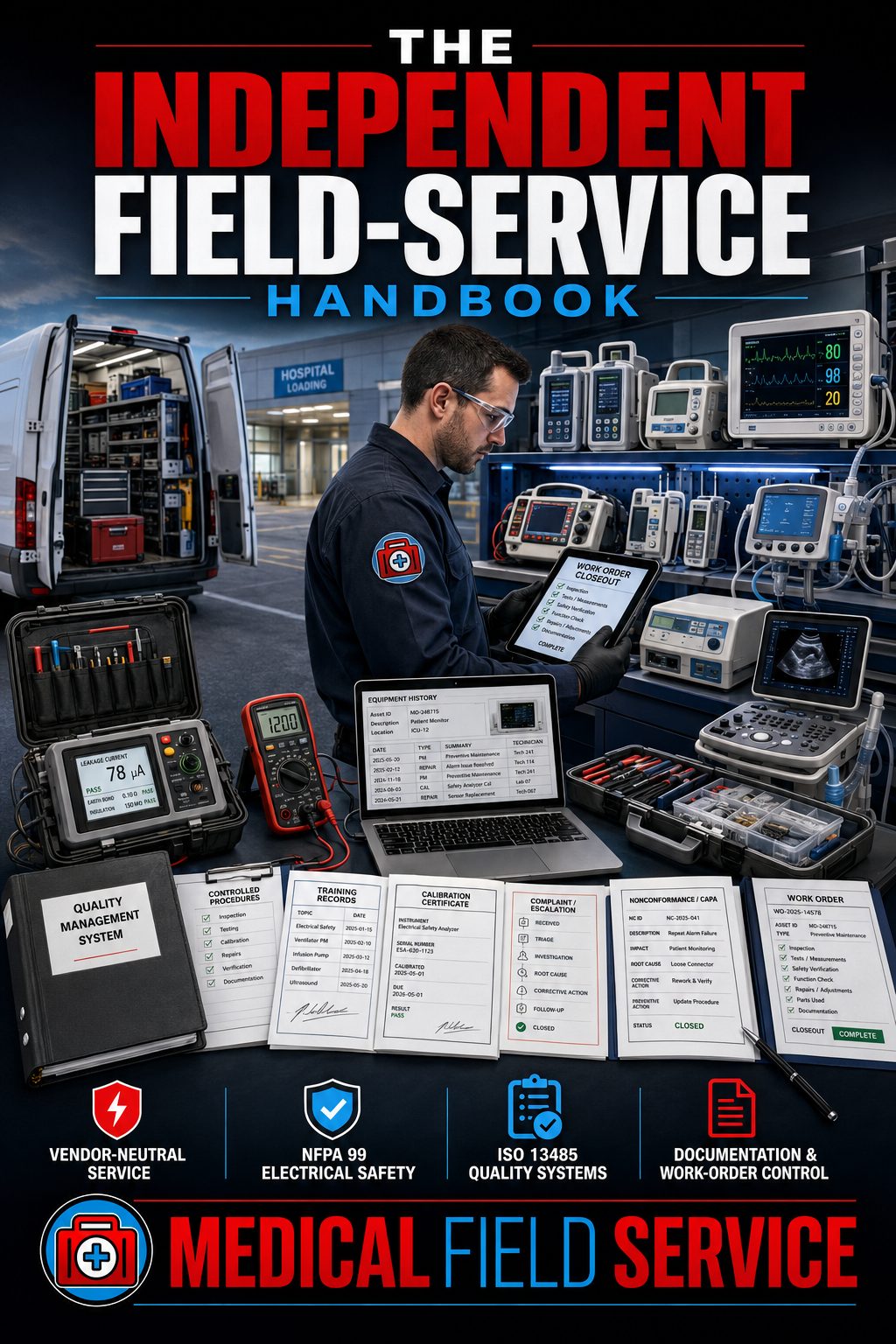
Medical Field Service Handbook โ€” eBook cover โ†“ Get the Handbook (PDF) — $10
Electrical Safety

Isolated Power System Inspection & Recertification

Isolated power systems (IPS) and their line isolation monitors (LIMs) protect operating rooms, ICUs, and other wet procedure locations from ground faults and electrical shock. Medical Field Service inspects, tests, and recertifies isolated power panels and LIMs to NFPA 99 and NEC Article 517 โ€” verifying monitor accuracy, measuring total hazard current, testing alarms and reference points, checking receptacles and grounding, and delivering the documentation your facility needs for Joint Commission, CMS, and DNV accreditation. Scheduled annually or after any change, our recertification keeps your critical-care spaces compliant and your people protected.

Isolated Power System Testing & FAQ →
The BiomedRx Network

Our Family of HTM Companies

The BiomedRx Network unites regional and specialty healthcare technology management companies—preventive maintenance, repair, calibration, electrical safety, and isolated power testing—under one trusted standard.

BR
BiomedRx
Flagship ยท National HTM
BN
BiomedRx Network
Field-Service Network
BF
BiomedRx Federal
Federal ยท VA / DoD
AB
Aloha Biomedical
Hawaii
AZ
Arizona Biomedical Services
Arizona
CA
California Biomedical Services
California
CH
Chicago Biomedical Services
Chicago, IL
CO
Colorado Biomedical Services
Colorado
ID
Idaho Biomedical Services
Idaho
IL
Illinois Biomedical Services
Illinois
LA
Louisiana Biomedical Services
Louisiana
NV
Nevada Biomedical Services
Nevada
NM
New Mexico Biomedical Services
New Mexico
NY
New York Biomedical
New York
OR
Oregon Biomedical Services
Oregon
TX
Texas Biomedical Services
Texas
UT
Utah Biomedical Services
Utah
WA
Washington Biomedical Services
Washington
WY
Wyoming Biomedical Services
Wyoming
AN
Anesthesia Equipment Maintenance
Specialty ยท Anesthesia
DC
Dialysis Center Maintenance
Specialty ยท Dialysis
IP
Isolated Power System
Specialty ยท IPS / LIM
You are here
MF
Medical Field Service
Specialty ยท OEM Field Service
MI
Medical Imaging Equipment Maintenance
Specialty ยท Imaging
SC
Surgery Center Maintenance
Specialty ยท ASC
IN
BiomedRx Institute
Training & Certification
TE
BiomedRx Technology
HealthTech / Software
IN
BiomedRx Inside
Private Family Network
Transparency for our clients

Online Service Reports

Medical Field Service and every member of the BiomedRx Service Network give clients a secure online service report portal โ€” real-time access to every preventive-maintenance visit, repair, calibration, and compliance record for their equipment. Reports update automatically from the field, so documentation stays current and audit-ready.

View a Sample Report →
Online service report portal
Why Work With Us

The Medical Field Service difference

We combine real expertise with genuine care โ€” and we make it easy to say yes. Nationwide field coverage, technicians who arrive knowing your platform, and service records written so a surveyor can read them without a translator. Here is what you can expect when you work with Medical Field Service.

Why work with us

Uptime you can trust

Documented preventive maintenance and rapid corrective repair keep critical equipment running and patients safe. Planned work lands in your quiet hours; unplanned failures get a named engineer and a realistic ETA instead of a queue position.

Survey-ready compliance

Every service is documented to Joint Commission, CMS, and NFPA 99 (2024) expectations, so you are always inspection-ready โ€” including the consolidated Physical Environment chapter that took effect under Accreditation 360 in January 2026.

Certified expertise

Certified biomedical technicians who know your equipment inside and out โ€” no learning curve, no downtime. AAMI CBET certification requires documented experience or education plus 30 continuing-education units every three years, and we keep ours current.

One partner, full coverage

PM, calibration, electrical-safety testing, and IPS recertification under a single accountable contract โ€” one inventory, one schedule, one escalation path, and no finger-pointing between vendors.

FAQ

Frequently Asked Questions

What biomedical equipment services does Medical Field Service provide?
We provide preventive maintenance, corrective repair, calibration, electrical safety inspection, and isolated power system (IPS) testing for hospitals, surgery centers, and clinics.
Are your biomedical technicians certified?
Yes. Our BMETs are certified and our work follows Joint Commission, CMS, and NFPA 99 standards so your facility stays survey-ready.
How fast can you respond to an equipment failure?
We offer scheduled preventive maintenance plus priority on-call service to minimize downtime on critical medical equipment.
Do you help with regulatory compliance and documentation?
We do. Every service includes the documentation you need for Joint Commission, CMS, and NFPA 99 surveys.
How do I request service or a quote?
Call (424) 204-2382 or email info@medicalfieldservice.com and our team will schedule an assessment.
Shop

Recommended on Amazon

As an Amazon Associate we earn from qualifying purchases. Prices and availability are subject to change.

Get cash back when you join Amazon Prime
View on Amazon โ†’
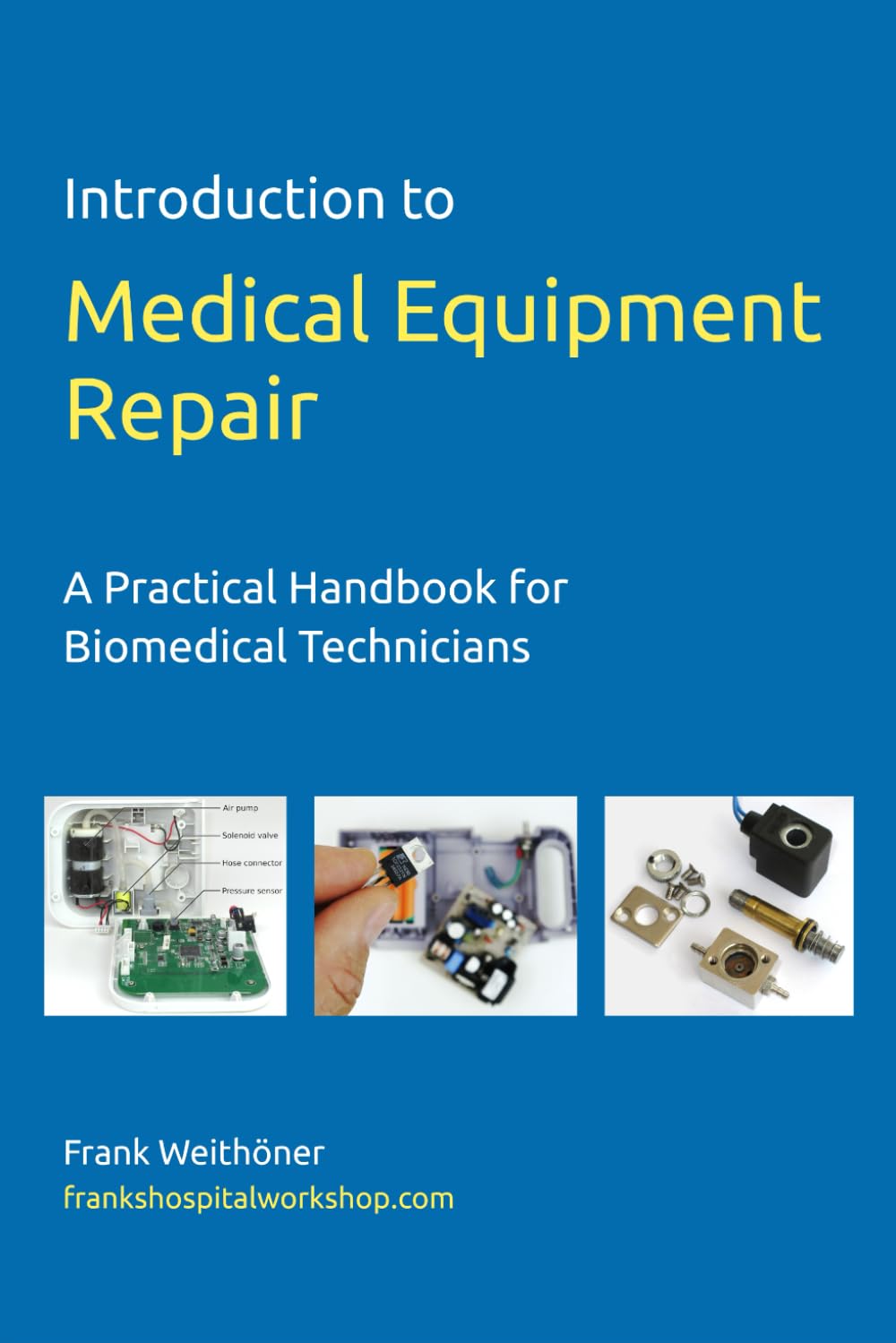
Introduction to Medical Equipment Repair
View on Amazon โ†’
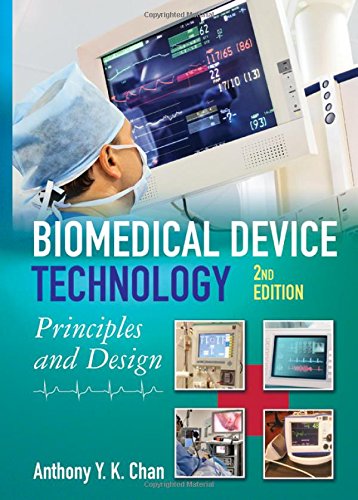
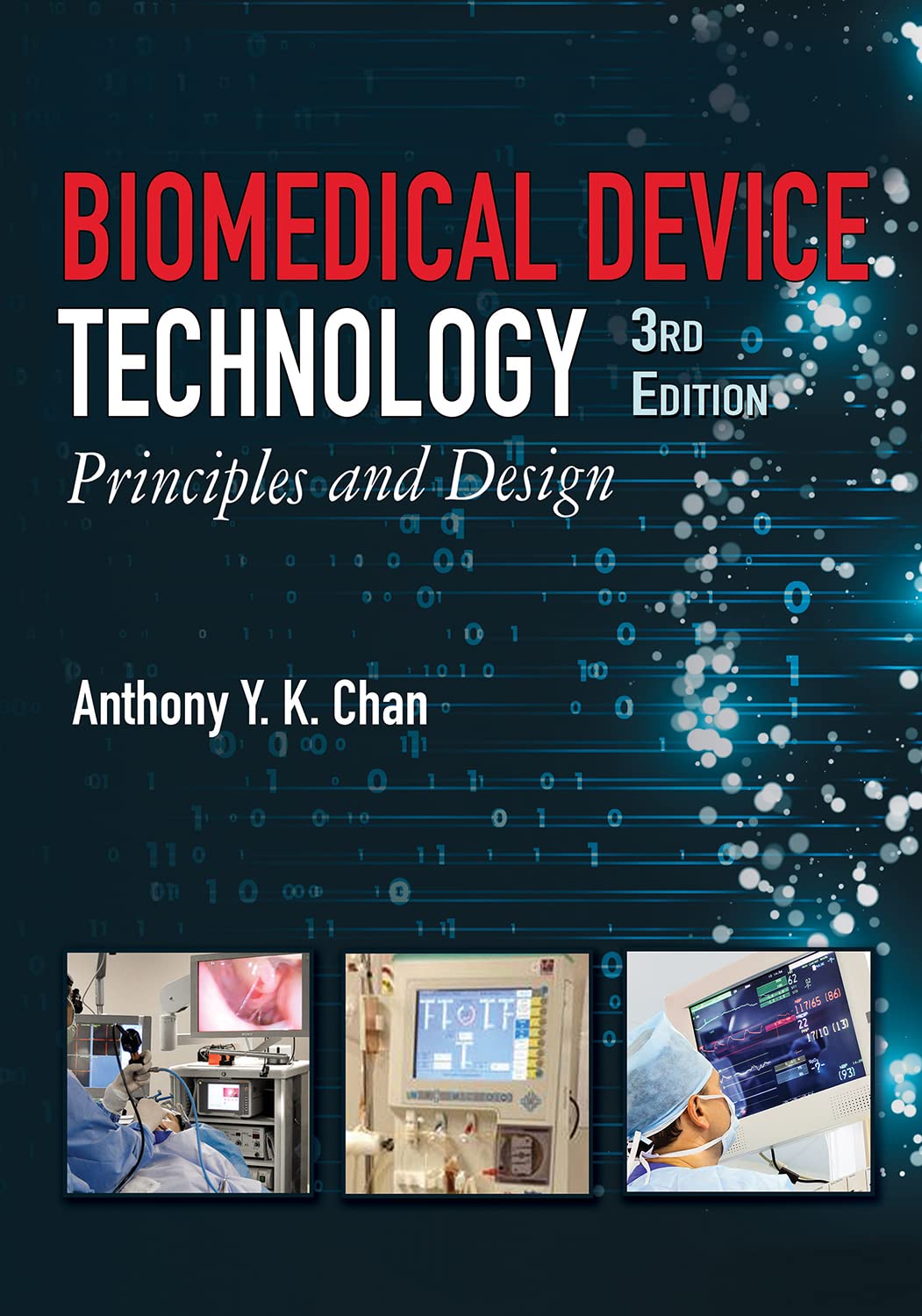
Biomedical Device Technology
View on Amazon โ†’
Biomedical Device Technology
View on Amazon โ†’
CBET Exam Study Guide
View on Amazon โ†’
CBET Exam Flash Cards
View on Amazon โ†’
Repair and Maintenance of Medical Devices
View on Amazon โ†’
Biomedical Equipment Technician
View on Amazon โ†’
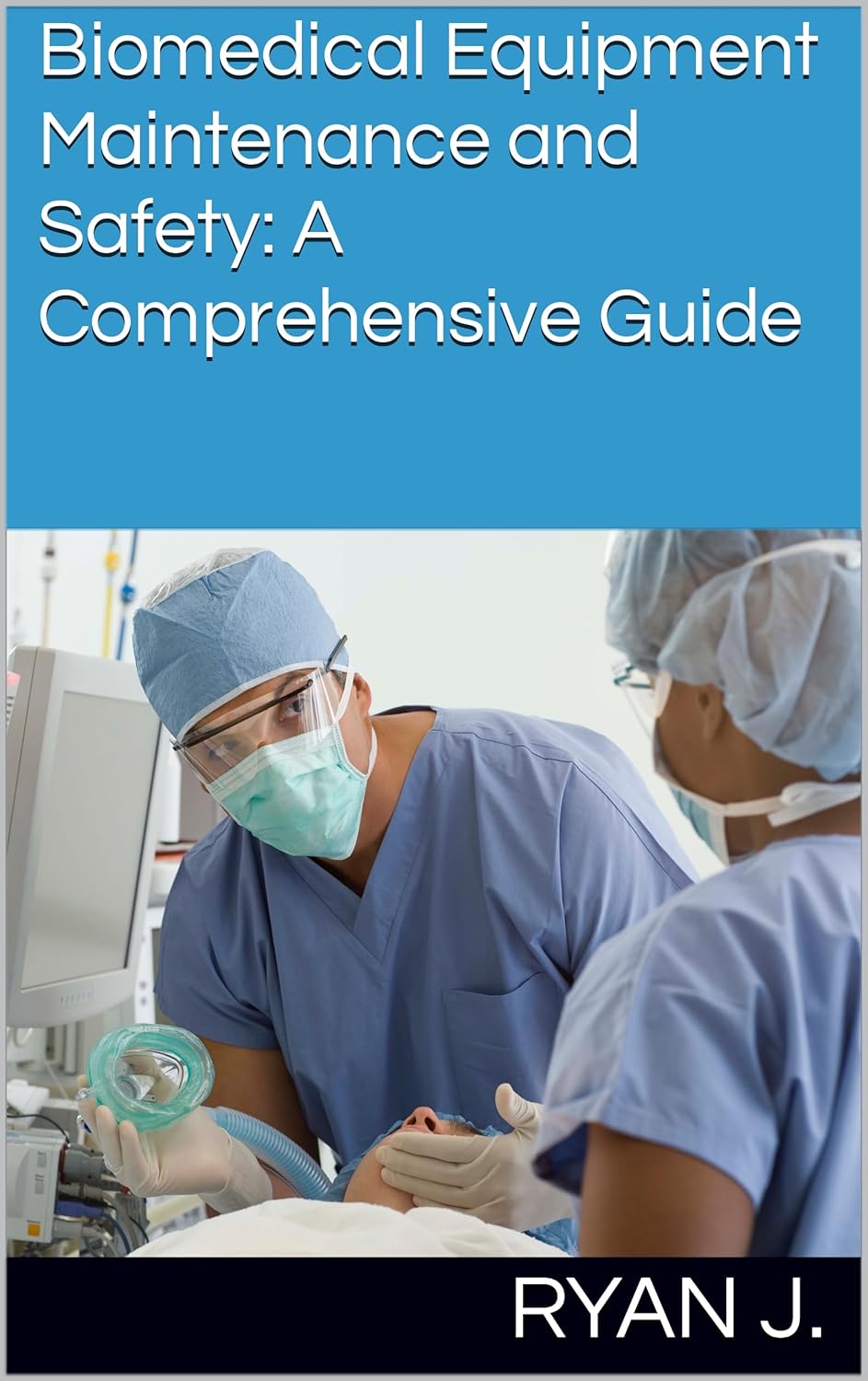
Biomedical Equipment Maintenance and Safety
View on Amazon โ†’
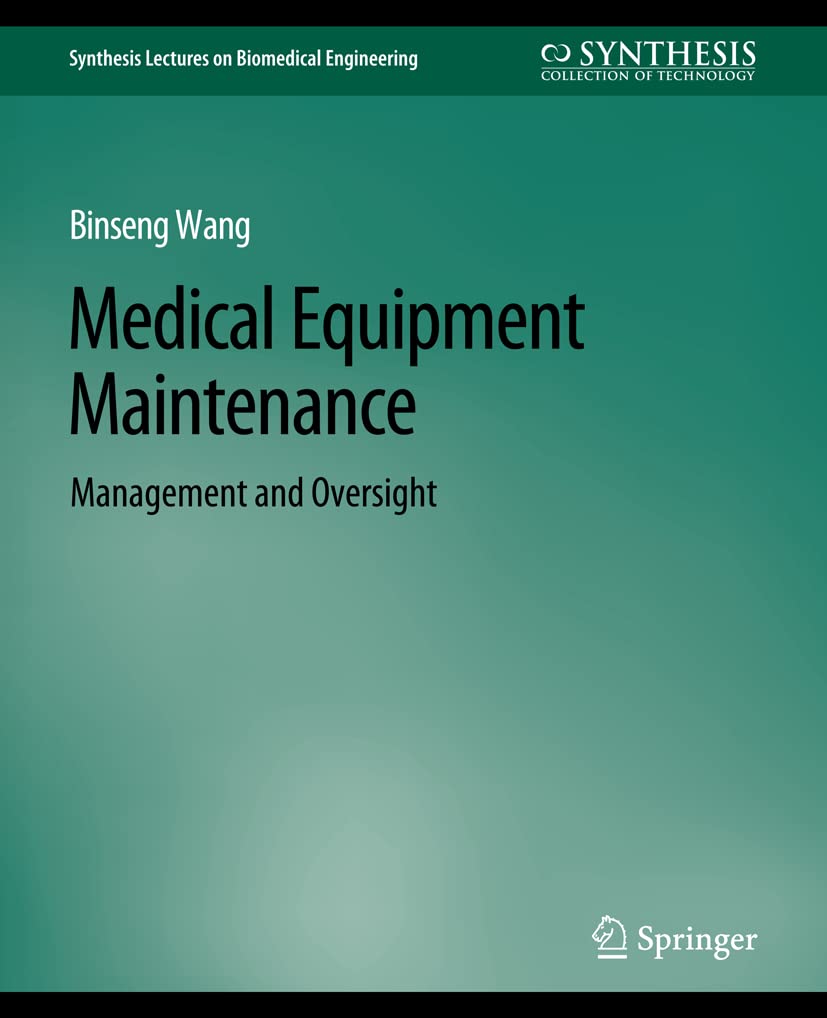
Medical Equipment Maintenance Management and Oversight
View on Amazon โ†’
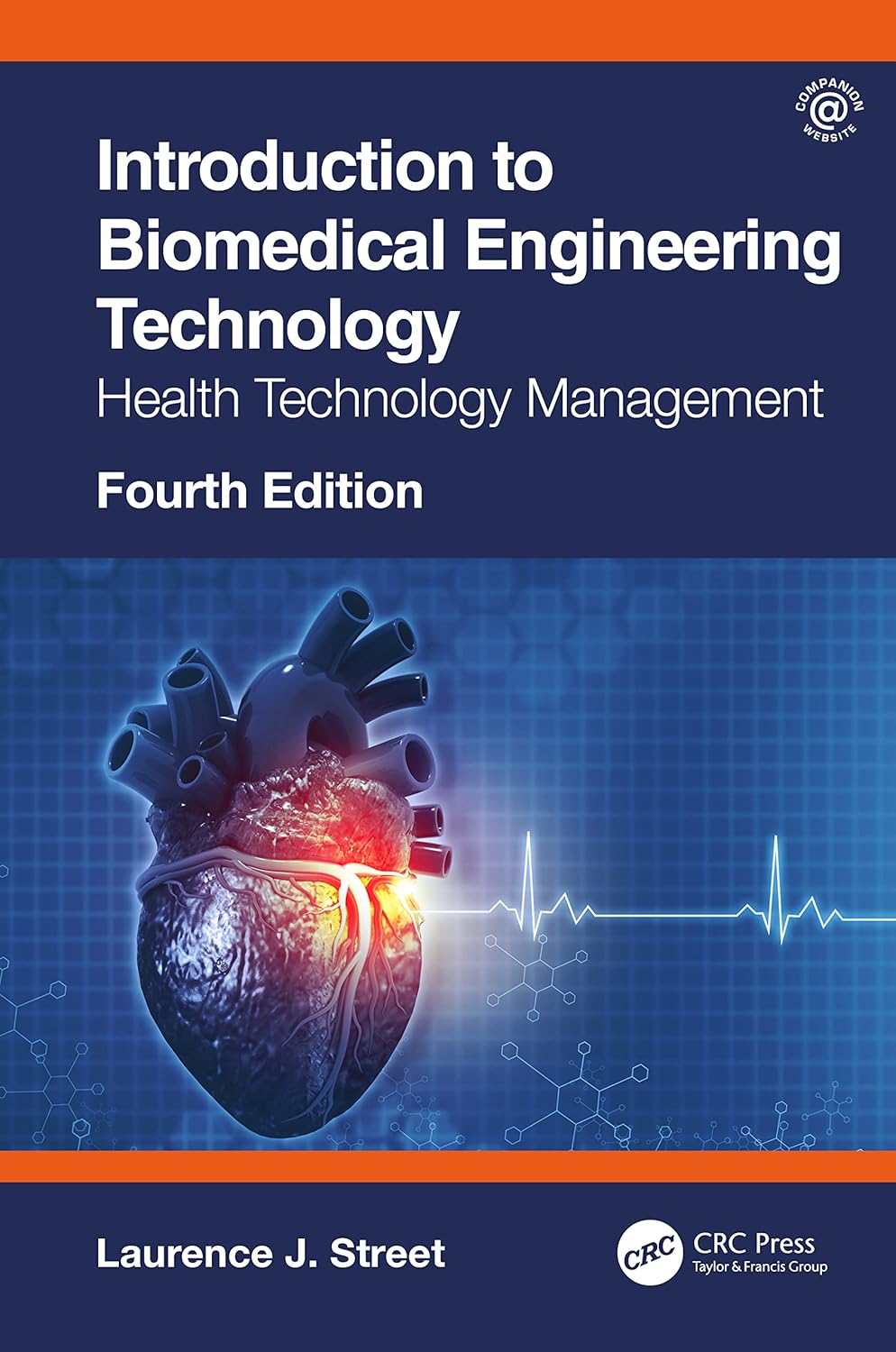
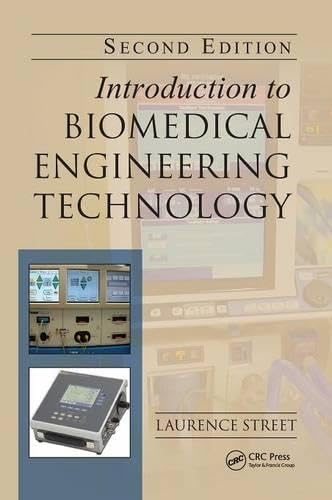
Introduction to Biomedical Engineering Technology
View on Amazon โ†’
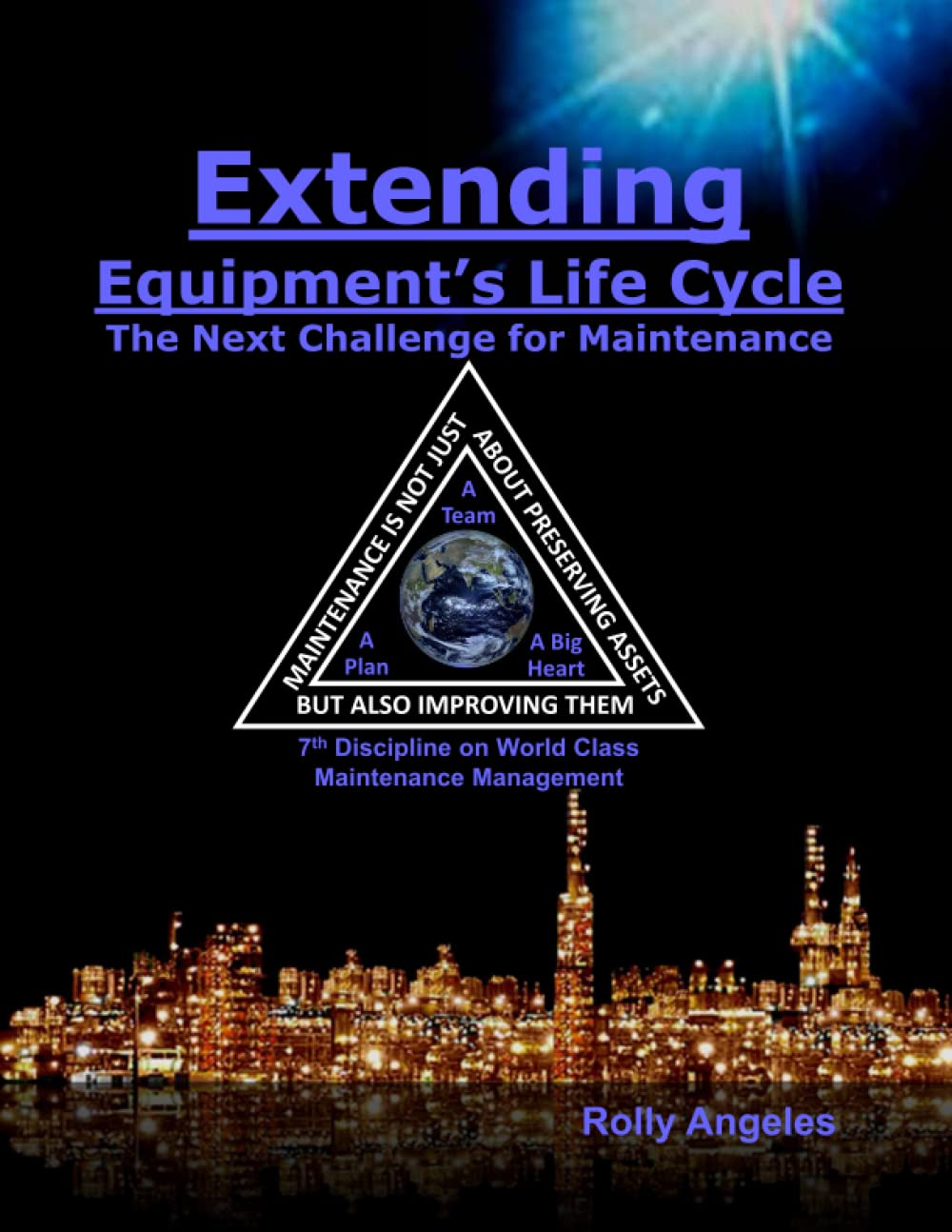
Extending Equipment's Life Cycle
View on Amazon โ†’
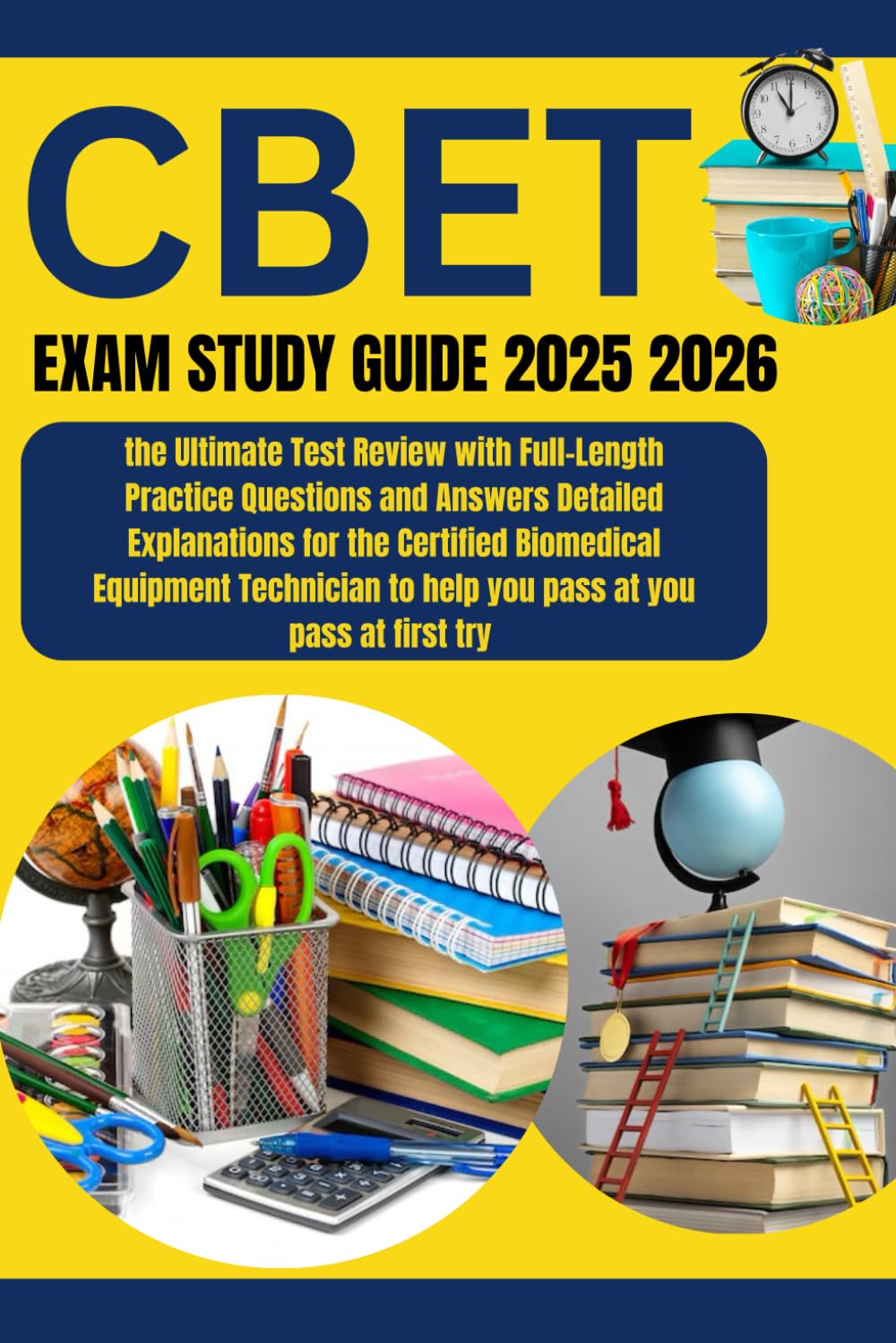
CBET Exam Study Guide 2025-2026
View on Amazon โ†’
CBET Exam Study Guide 2025-2026
View on Amazon โ†’
CBET Exam Study Guide 2025-2026
View on Amazon โ†’
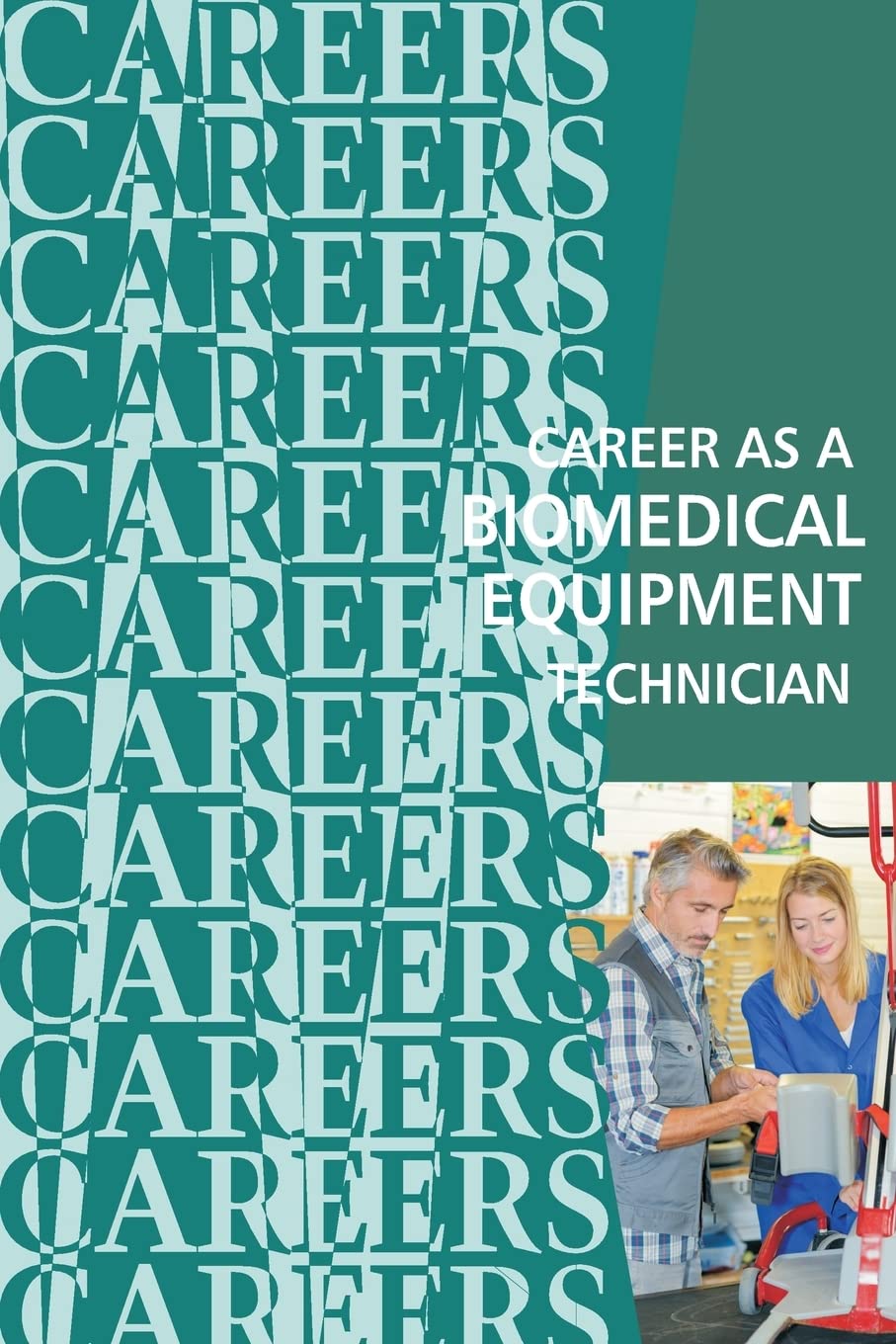
Careers as a Biomedical Equipment Maintenance Technician
View on Amazon โ†’
CRES Exam Flash Cards
View on Amazon โ†’
CRES Exam Study Guide 2025-2026
View on Amazon โ†’
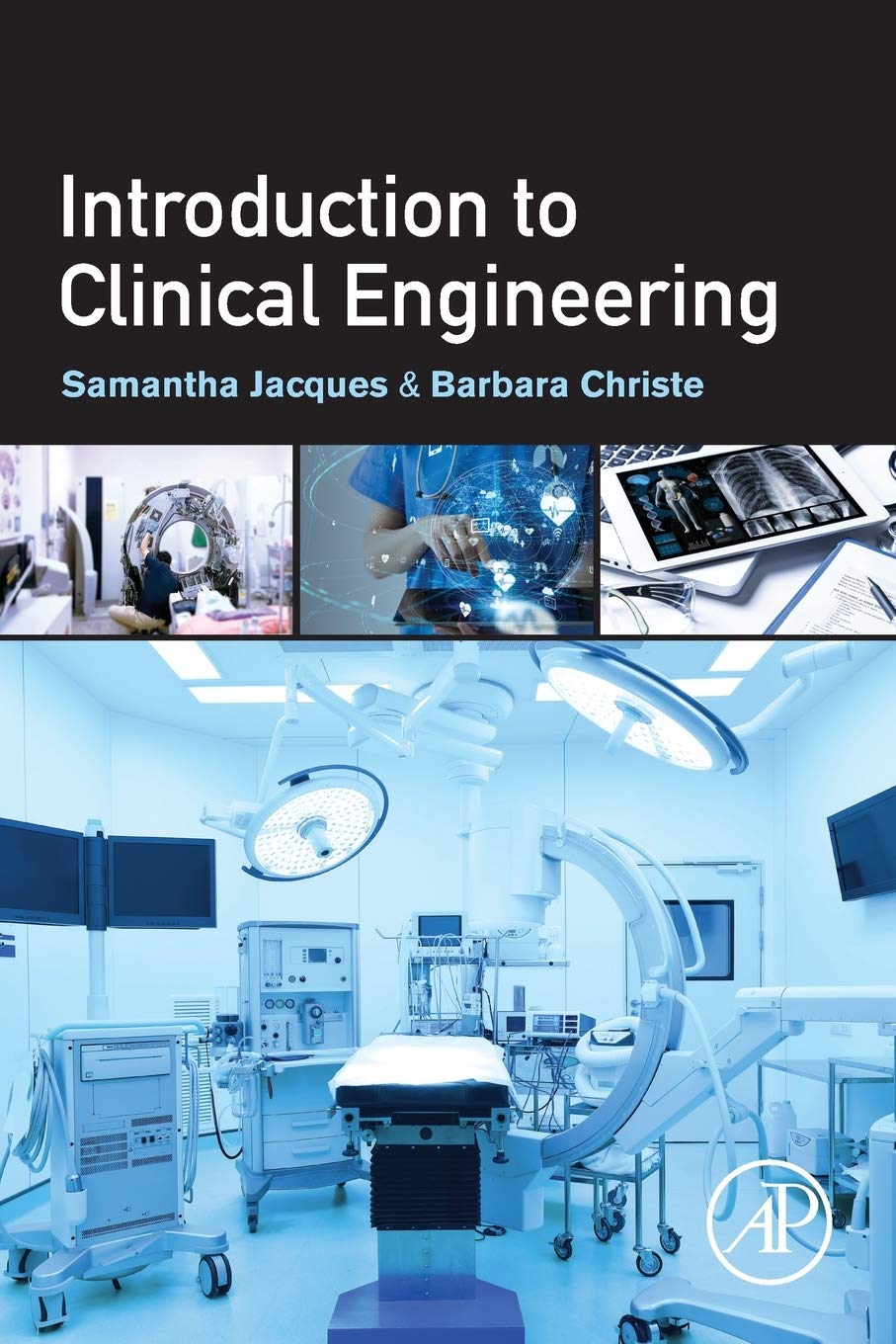
Introduction to Clinical Engineering
View on Amazon โ†’
Biomedical Engineering Fundamentals
View on Amazon โ†’
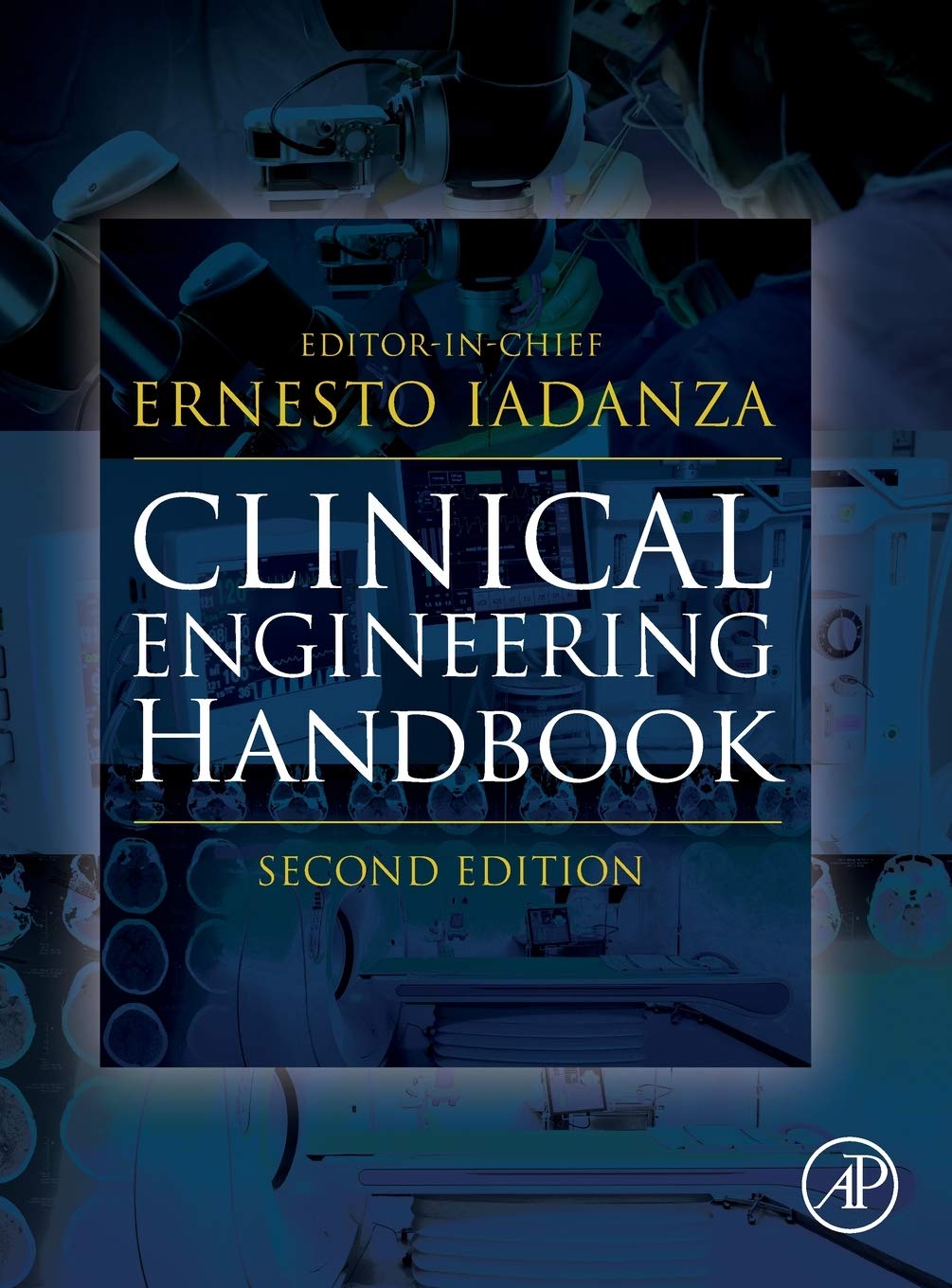
Clinical Engineering Handbook
View on Amazon โ†’
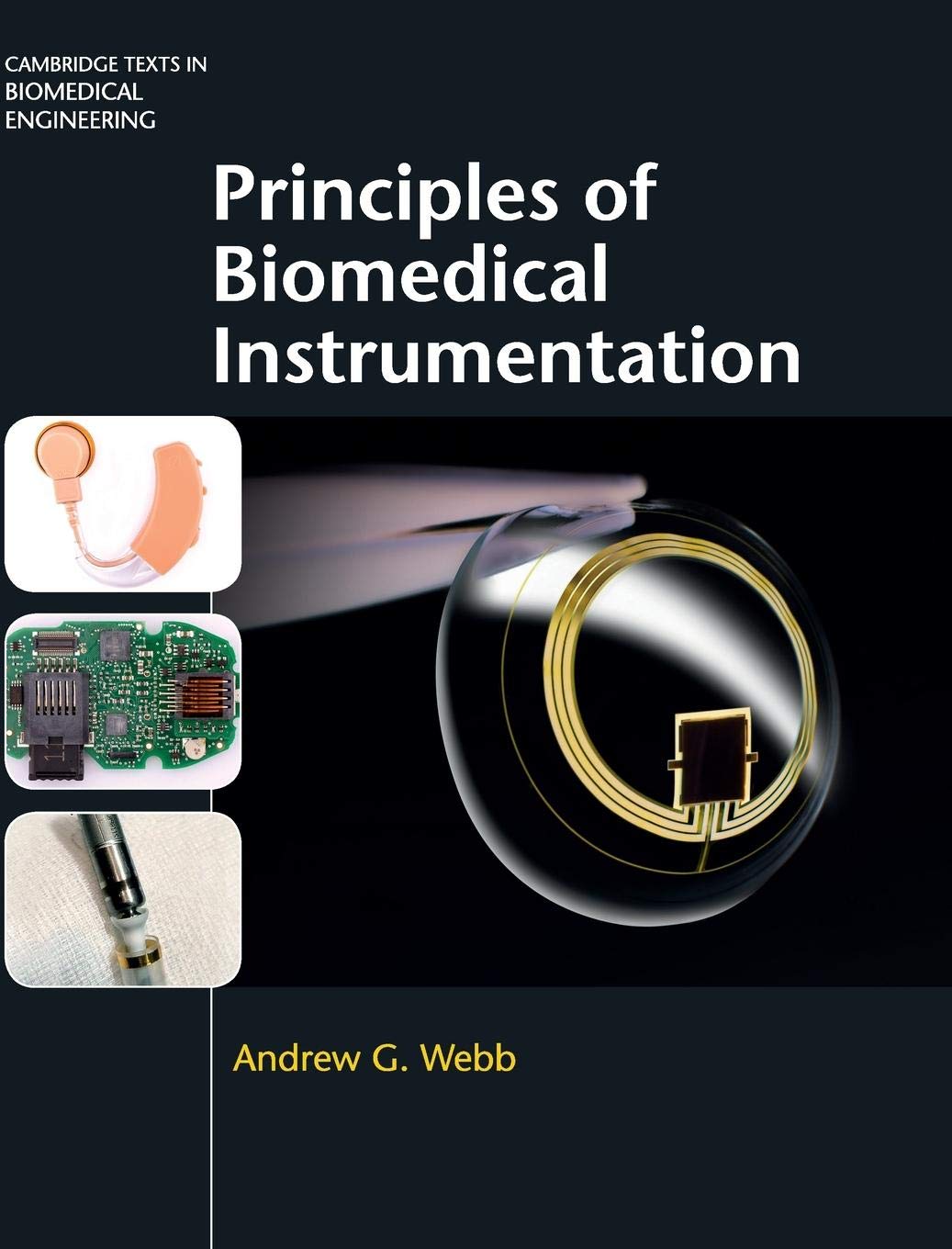
Principles of Biomedical Instrumentation
View on Amazon โ†’
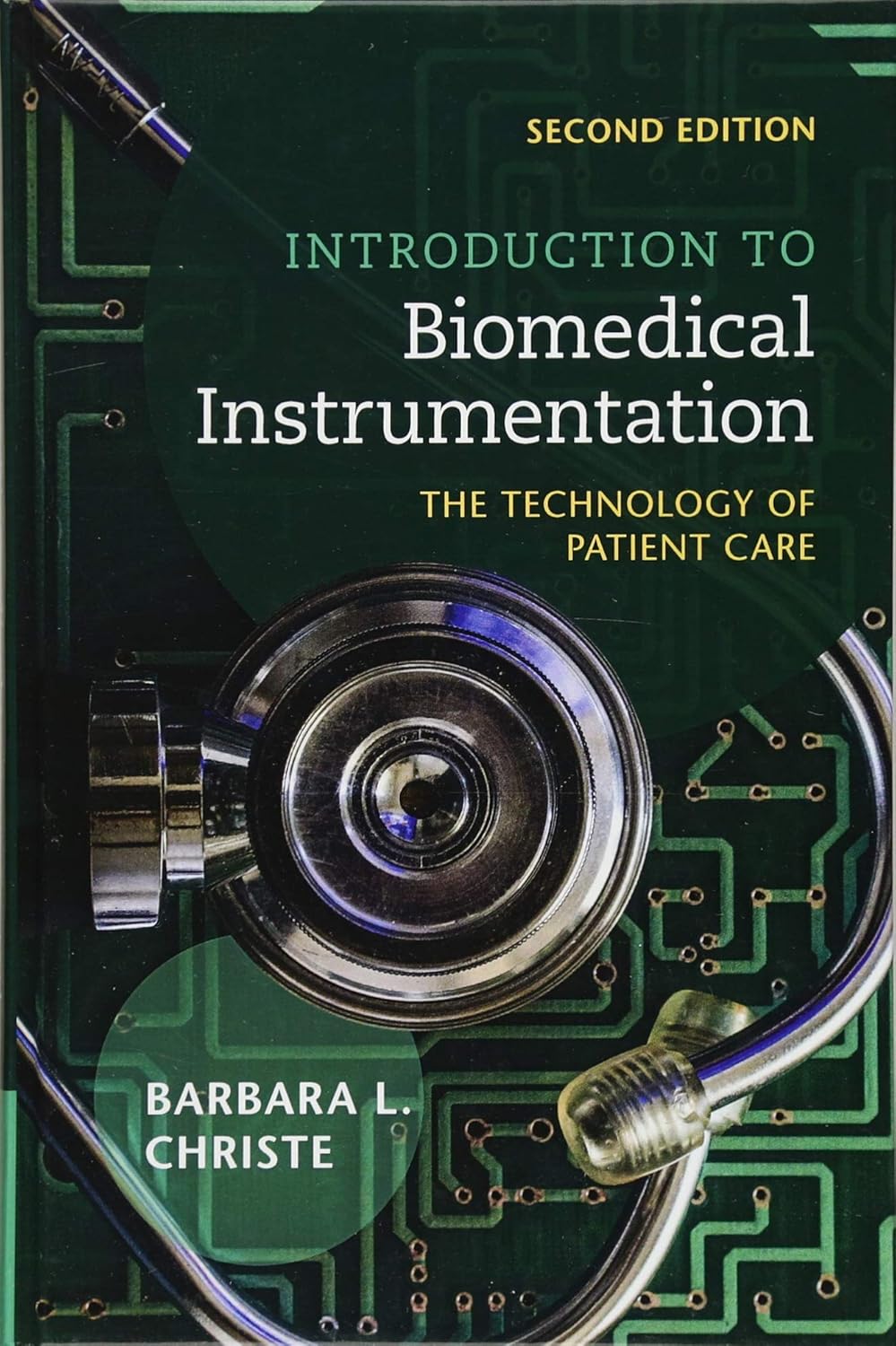
Introduction to Biomedical Instrumentation
View on Amazon โ†’
Maintenance of Medical Technology
View on Amazon โ†’
Introduction to Biomedical Engineering Technology
View on Amazon โ†’
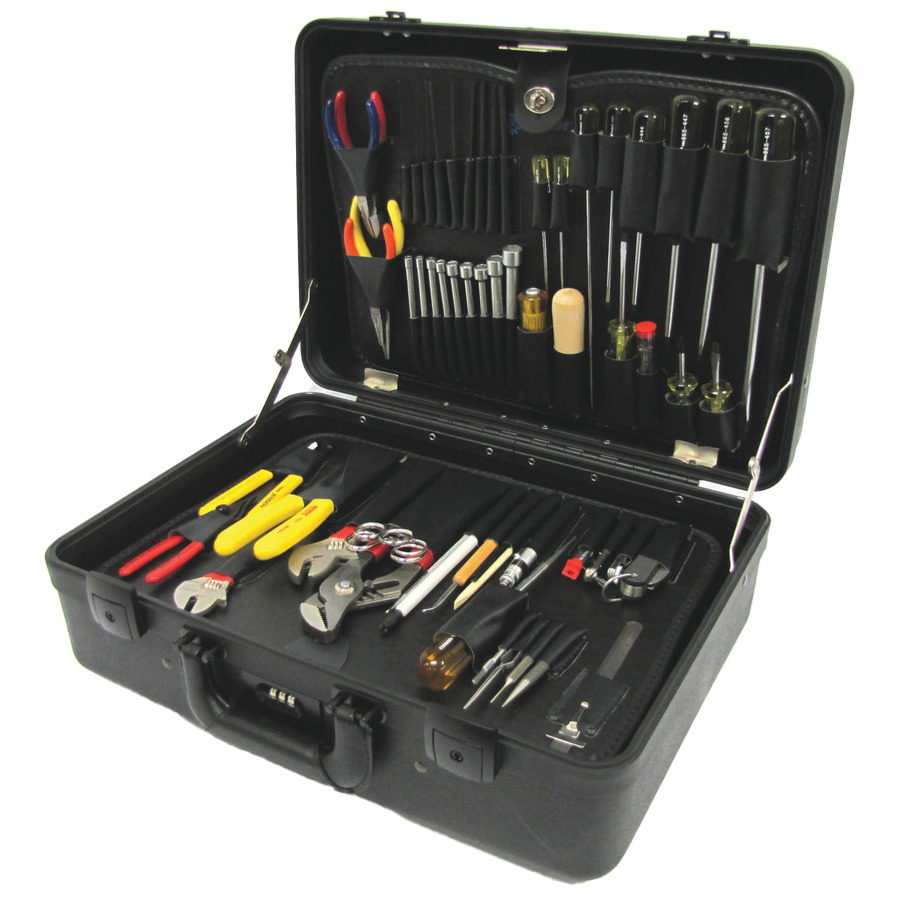
Jensen Biomedical Equipment Maintenance Technician Toolkit
View on Amazon โ†’
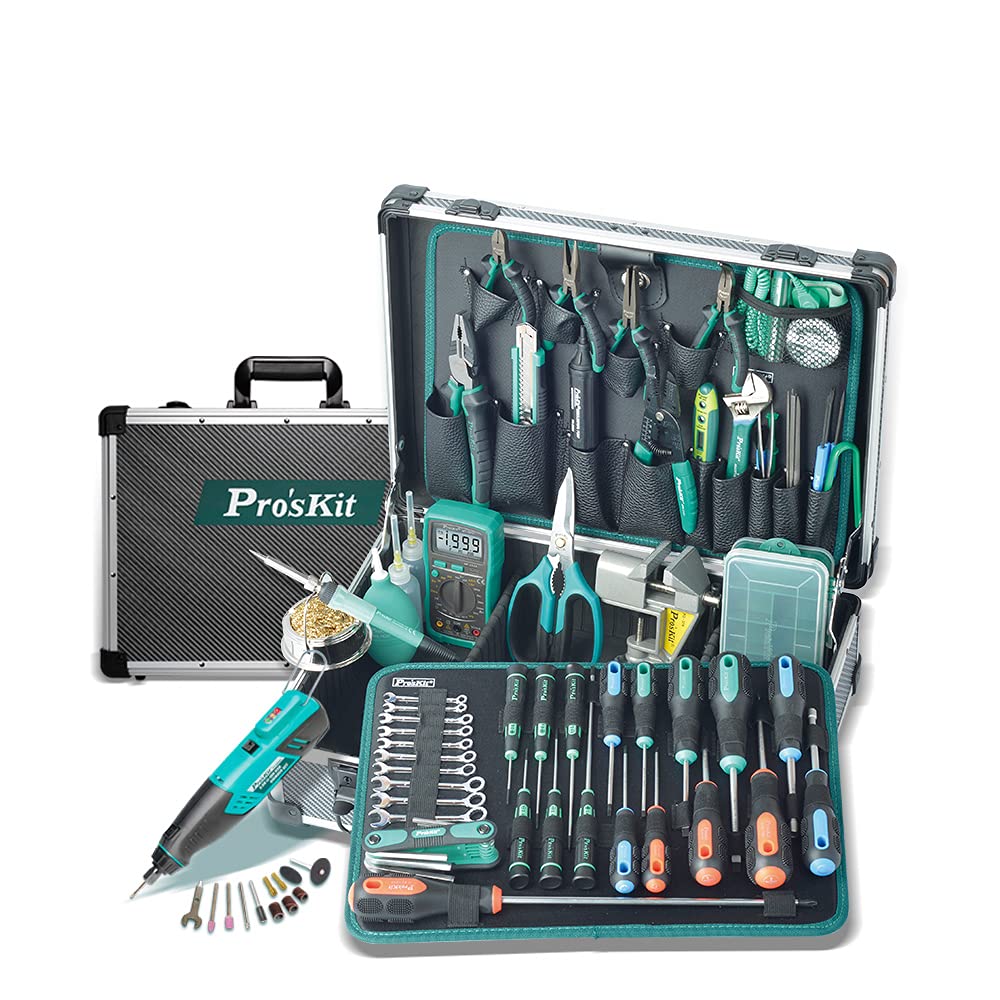
Pro's Kit Electronics Toolkit
View on Amazon โ†’
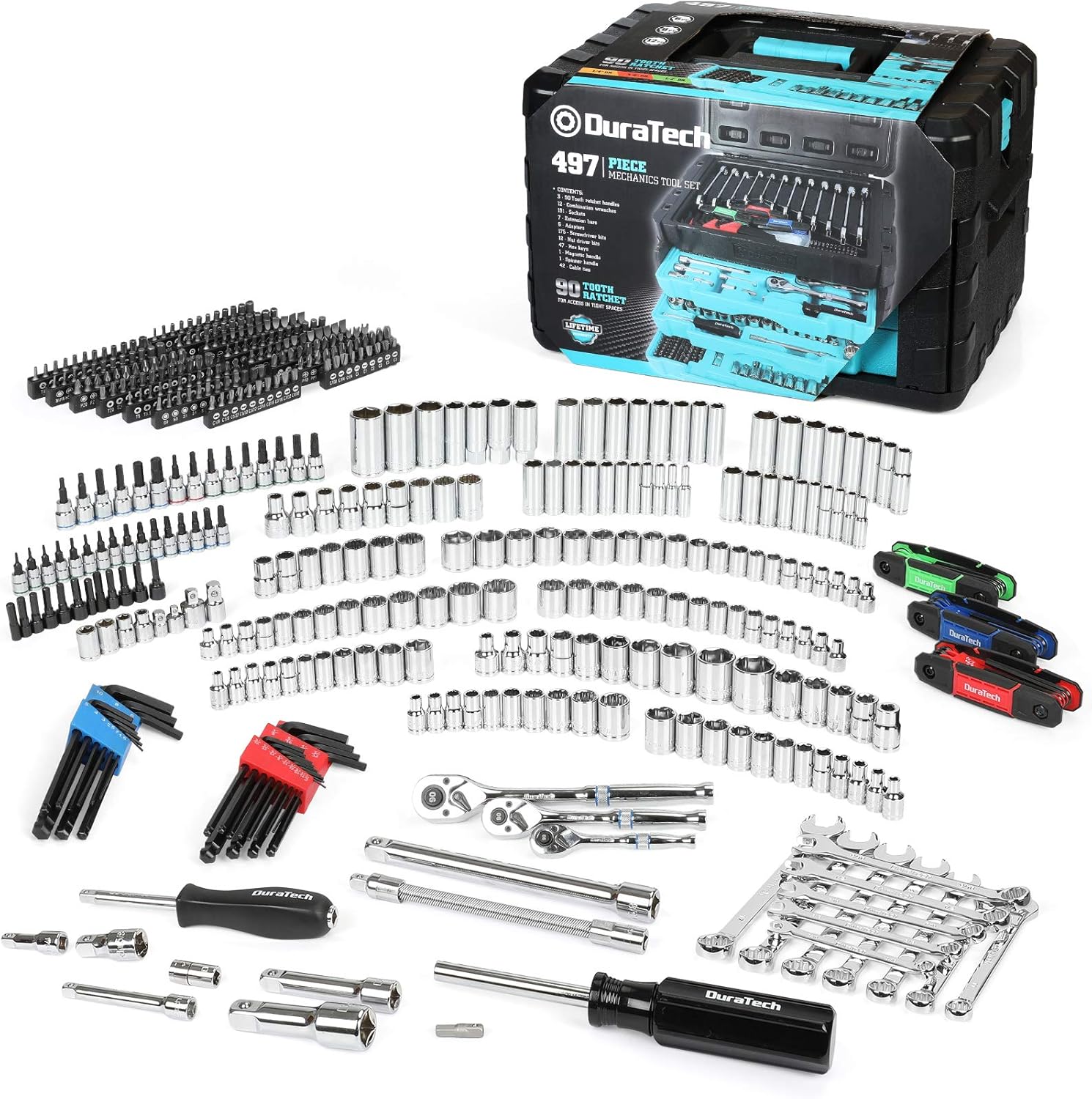
Duratech 497-Piece Mechanics Toolkit
View on Amazon โ†’
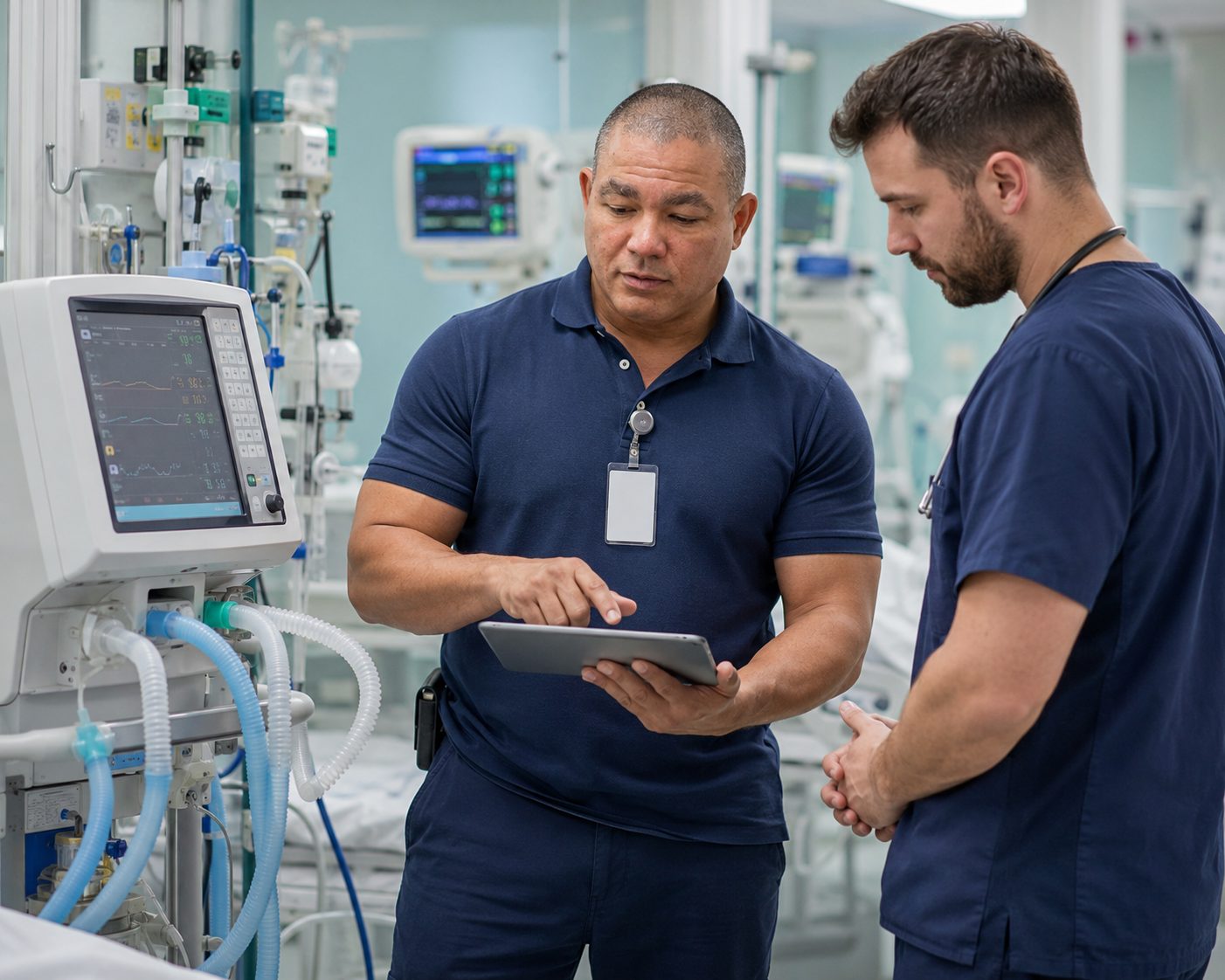
Ventilator and transport monitor service in a hospital equipment depot
BiomedRx Institute

Test Your Knowledge of Healthcare Technology Management

9 quick questions across the core HTM certification topics. Every answer is explained and sourced.

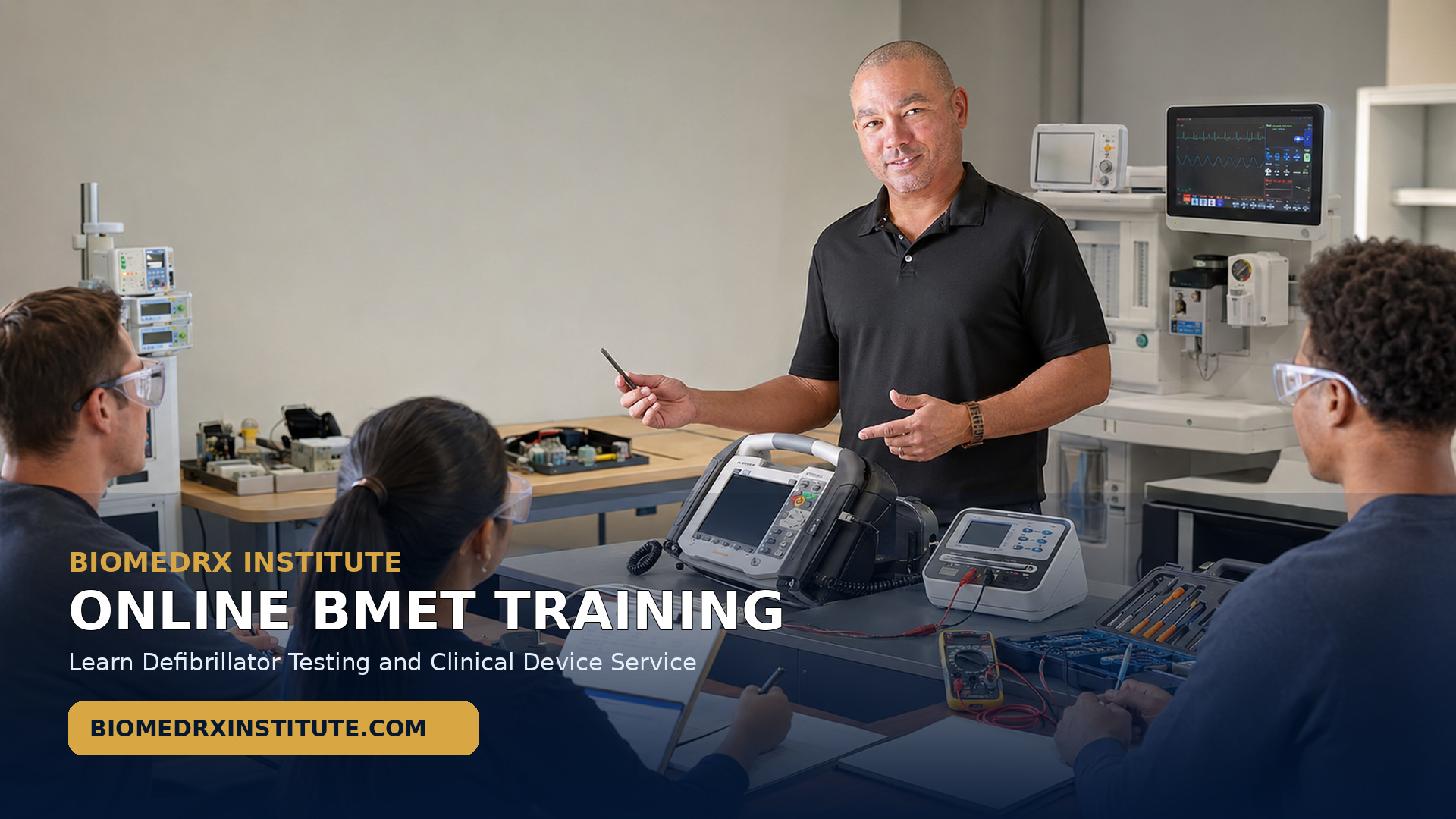
BiomedRx Institute โ€” Online BMET Training
Practice questions from BiomedRx Institute HTM online training. For educational use; confirm current certification requirements with the administering body.

Sources

Primary regulations and standards referenced on this page. Where a standard is published commercially it is named in full rather than linked to a copy.